

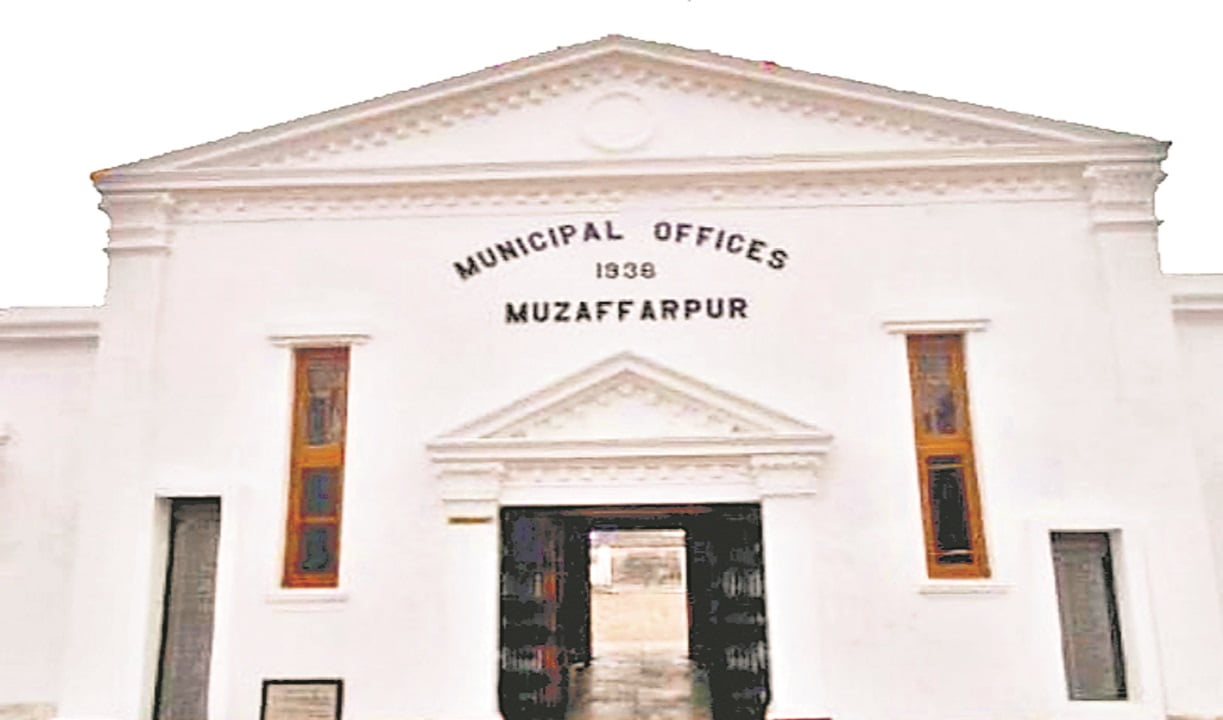
This is a story of a growing city, shifting boundaries, and new development plans shaping the future of Muzaffarpur.
Soon, many nearby villages and gram panchayats may officially become part of the city as the government moves ahead with the Muzaffarpur municipal expansion plan.
What’s Changing in Muzaffarpur?
Right now, the Muzaffarpur Municipal Corporation covers 49 wards across 32 square kilometers.
But under the new plan, the ward count is likely to increase to 72–75 wards, bringing over two dozen new areas into the urban fold. This change is being led by the Urban Development and Housing Department of Bihar.
Which Areas Will Be Added?
As per a 2022 government notification, several rural and semi-urban areas may be added to the municipal boundary, including:
- Madwan / Shubhankarpur
- Kanti / Dadar
- Kolhua, Paigambarpur, Sadatpur
- Damodarpur, Mushahari / Sahbazpur
- Sheikhpura, Bara Jagannath, Sherpur
- Susta, Rohua, Kanhauli, Khabra
- Majhouli Khetal, Bhagwanpur, Patahi
- Bhikhanpura and nearby areas
What Are the Rules for Expansion?
According to the law, any area with 75% or more residential land can be added to a municipal corporation. Based on this, regions like Ahiyapur and Bairiya have already been identified.
“Many localities now have less than 25% farmland left,” said Rajiv Kumar Panku, member of the municipal standing committee.
The plan had stalled earlier due to panchayat elections. But now, it’s being revived.
What Will Citizens Gain?
With the Muzaffarpur urban development plan in motion, both the city and its people stand to benefit:
- More Government Funding: The city’s new size may change its category, qualifying it for more funds.
- Improved Civic Amenities: New areas will get better roads, drainage, streetlights, and clean water.
- Urban Planning Rights: The corporation now has the right to approve building maps within the planning area.
New Metro Route to Support Growth
The Muzaffarpur metro station list has been aligned with these expansion areas. Under Phase 1, two corridors covering 21.25 kilometers will be built:
Corridor 1 (Harpur Bakhri to Ramdayalu Nagar):
- Sipahpur, Ahiyapur, Zero Mile, Chakgaji, Dadar Chowk
- Bairiya Bus Stand, Chandni Chowk, Vishnudattpur
- Bhagwanpur Chowk, Gobarsahi, Khabra
Corridor 2 (SKMCH to Junction):
- Sahbazpur, Zero Mile, Sheikhpur, Akhada Ghat
- Company Bagh, leading to Muzaffarpur Junction
With the new metro route in Muzaffarpur, connectivity will reach several expanding wards.
Projects Already in Progress
The city isn’t just planning—it’s building:
- New township near Kanti
- Sewerage treatment plant at Narayanpur Diaghra
- 3+ km drainage project from Mithanpura to the STP
- Modern waste processing plants under survey
A Step Toward Future Development
Mayor Nirmala Sahu says that these changes are designed with the next 25–30 years in mind. As more people move in and more areas urbanize, this restructuring will help the city grow in a more organized way.
“We’re working at every level. This expansion will support smart growth for everyone,” she shared.
FAQs
Q1. What is the purpose of the Muzaffarpur municipal expansion?
To include more urbanized areas into the city, increase the number of wards, and improve public facilities.
Q2. How many wards will be added?
The ward count is expected to rise from 49 to between 72 and 75.
Q3. What new areas are being added?
Parts of Madwan, Kanti, Ahiyapur, Bairiya, and over a dozen other nearby panchayats.
Q4. How does this affect public funding?
With a higher population and bigger area, Muzaffarpur may get upgraded to a new municipal category, receiving more funds.
Q5. Will the metro be available in the new areas?
Yes. Many of the expansion zones are part of the Muzaffarpur metro route being built under Phase 1.
