

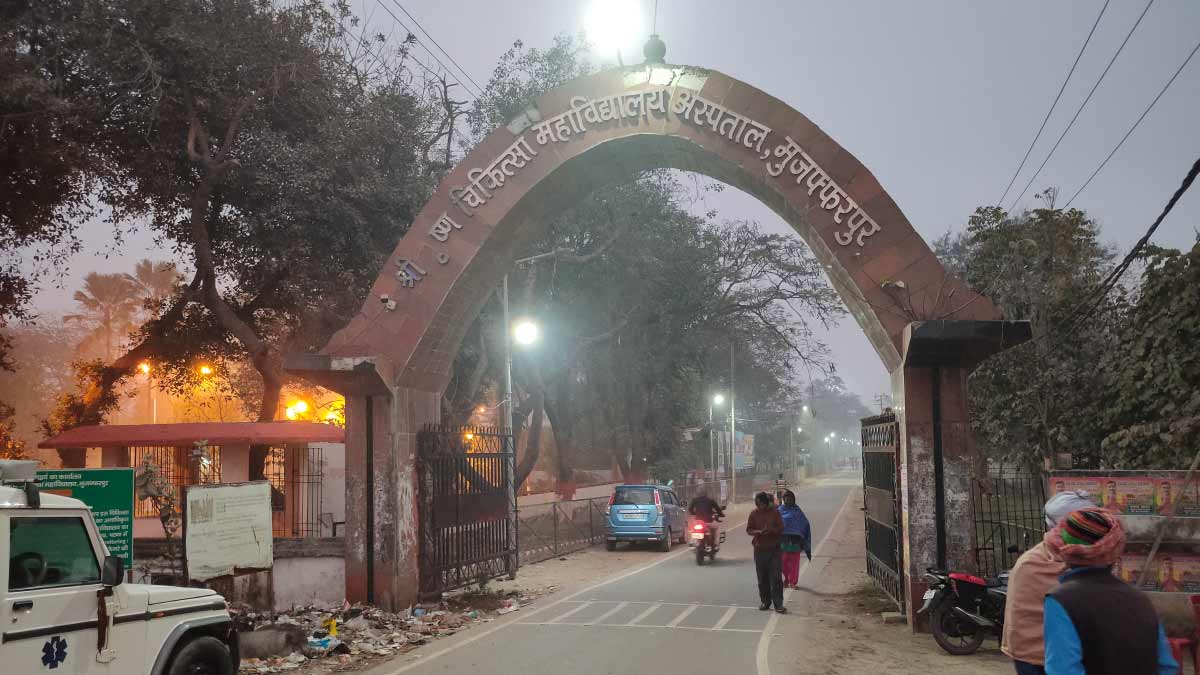
Overview:
SKMCH Muzaffarpur is planning a 250-bed building to strengthen trauma and emergency services for North Bihar. The block brings triage, resuscitation bays, modular OTs, ICU/HDU beds, and step-down wards close to the ER. This setup cuts wait times, reduces referrals, and supports quicker surgeries for critical patients. A simple five-step flow—triage, stabilize, investigate, decide, handover—keeps care moving. Families can help by carrying IDs, medical records, and current meds. With better capacity and integrated services, SKMCH aims to deliver faster, safer, and more reliable trauma care on campus.
Muzaffarpur sees heavy trauma load. Road crashes, falls, and burns flood the emergency. Beds run out fast. A new 250-bed building at SKMCH aims to fix this crunch. In this quick guide, you’ll learn what is coming, why it matters, and how it will help patients reach treatment quicker. You’ll also see the likely services, a sample patient flow, and common mistakes to avoid. The goal is simple: faster care, fewer referrals, and better outcomes for families.
Overview
The SKMCH Muzaffarpur 250-bed building is planned to ease crowding and strengthen trauma care. It adds capacity near emergency services. This helps stabilize critical patients quickly and keeps referrals in-state. The block also supports super-specialty care and step-down beds for recovery.
How it helps
- Cuts wait time for emergency beds.
- Adds dedicated trauma and post-op areas.
- Brings specialists closer to the ER.
- Reduces costly transfers to distant cities.
- Supports North Bihar’s rising patient load.
What’s included
- Resuscitation bay and triage area.
- Modular OTs for emergency surgery.
- ICU, HDU, and step-down wards.
- 24×7 imaging and point-of-care tests.
- Blood bank access and CSSD support.
- Family waiting, counseling, and social desk.
Capacity at a glance
| Unit/Service | Planned Capacity | Purpose |
|---|---|---|
| Total beds | 250 | ER, ICU, HDU, wards |
| Trauma ICU | 30–40 | Ventilated critical care |
| HDU | 60–80 | High-dependency support |
| Modular OTs | 4–6 | Emergency surgeries |
| Short-stay/Step-down | 80–100 | Post-op recovery |
| Observation beds | 20–30 | 24-hour monitoring |
Note: Exact split may change during commissioning.
Patient flow (simple steps)
- Arrival & triage
Nurse assigns red/yellow/green tags in under 5 minutes. - Stabilize
Airway, breathing, circulation managed in the resus bay. - Investigate
Basic labs and imaging run at bedside where possible. - Decide
Shift to OT, ICU, HDU, or discharge with advice. - Handover
Clear notes, family briefing, and follow-up ticket.
Tips for families
- Carry ID, prior records, and current meds list.
- Keep the referral slip and scan reports handy.
- Name one caregiver for updates and consent.
Tools and resources
- Patient checklist (printable): meds, allergies, prior surgeries.
- Related posts (internal):
- Emergency Room Triage: What to Expect
- Choosing Between ICU and HDU Care
- How to Read Your Discharge Summary
Common mistakes
- Skipping triage. Always go to the triage desk first.
- Crowding the resus bay. One caregiver near the bed is best.
- Delaying consent. Quick consent speeds life-saving care.
- Medication guesswork. Bring the actual strips or a photo.
Example day, simplified
- Morning: 3 polytrauma cases from a highway crash. Two go to OT. One to ICU.
- Afternoon: 6 fracture fixations in modular OTs.
- Evening: 12 observation cases discharged with follow-up in 24 hours.
Key Takeaways
- The SKMCH Muzaffarpur 250-bed building targets faster trauma care and fewer referrals.
- Extra ICU/HDU beds will ease ER crowding and speed surgeries.
- Clear triage, rapid consent, and ready documents save time.
- Families should prepare a simple health file for emergencies.
Did You Know?
Most trauma deaths happen in the first hour after injury, often called the “golden hour.” Fast triage and early surgery can be life-saving.
Conclusion
The SKMCH Muzaffarpur 250-bed building is a big step for North Bihar’s trauma services. More beds, closer OTs, and stronger ICU support mean faster care and better outcomes. Share this guide with family. Save it on your phone. And check our related posts to stay prepared for emergencies.
FAQs
What is the SKMCH 250-bed building?
It’s a new hospital block designed to add 250 beds for trauma and emergency care, plus ICU, HDU, and modular operating theaters. The aim is to cut wait times, reduce referrals, and improve survival for critical cases from Muzaffarpur and nearby districts.
Will trauma patients get surgery faster?
Yes. With modular OTs near the ER, surgeons can take patients to the theater sooner. This reduces delays caused by OT queues and improves outcomes for bleeding, brain injury, and abdominal trauma cases needing rapid intervention.
How will ICU and HDU beds be used?
ICU beds handle ventilated and unstable patients. HDU beds support those needing close monitoring, non-invasive ventilation, or step-down care after surgery. This laddered care frees up ICU space and keeps the ER moving.
What services can families expect round the clock?
Triage, resuscitation, emergency surgery, basic labs, imaging, pharmacy, and blood bank access. Nursing, anesthesia, orthopedics, general surgery, and critical care teams coordinate care day and night for urgent cases.
Will this reduce referrals outside the state?
That is the goal. Added capacity and integrated services should keep more patients in Muzaffarpur for definitive treatment. Complex super-specialty cases may still be referred, but routine trauma surgeries should happen on campus.
