

Overview:
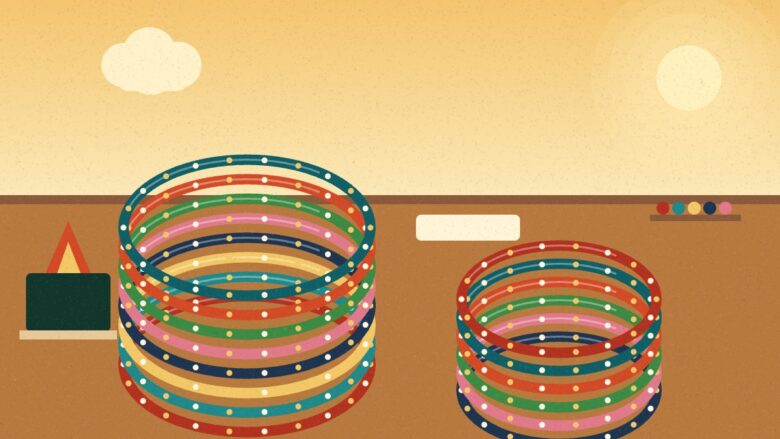
Lahthi is the lac bangle craft of Muzaffarpur. Oral histories say it began in the town in 1932, in the Islampur and Chhata Bazar areas. By the mid 1980s lac bangles had largely replaced glass bangles in many Bihari wedding customs. Artisans heat raw lac, shape it into rings and decorate it with stones and sequins. Men do the heated work, and women often decorate at home. This guide explains the history, the process, the main areas, the health risks, the GI question and tips for buyers. It also lists sources and care steps.
This guide explains Muzaffarpur lac bangles in simple words. Also, ask a bride in north Bihar about her wedding bangles. She may say “lahthi”. In addition, these shiny, colourful lac bangles are a symbol of the region. They also carry the name of Muzaffarpur across India.
This guide explains the craft in simple words. First, we cover what lac is and where Lahthi came from. Moreover, Next, we describe how artisans make it and where. Then we look at the GI question, health risks and buying tips. Furthermore, Facts come from craft archives and local histories, which are listed at the end. Where a point rests on oral history, we say so.
1932
the year oral histories say Lahthi began in Muzaffarpur
1965
the year a well known Lahthi shop opened in Islampur
1980s
the decade lac bangles spread widely in Bihari weddings
55%
the share of Bihar’s Lahthi output a craft archive credits to one cluster
What Are Muzaffarpur Lac Bangles?
Muzaffarpur lac bangles are bangles made from lac. Lac is a natural resin that tiny lac insects make on tree branches. Additionally, Craftspeople have used lac in India for a very long time. They melt it, mix it with filler and colour, and shape it.
In Muzaffarpur, people call the bangle “lahthi” or “lahti”. Some also say “lakh churi”. Besides, the word is local. The bangle is light, bright and often covered with stones or sequins.
Why the Craft Matters
The craft gives work to many families. It also shapes local culture. In fact, Women wear lahthi at weddings and on festivals. So the bangle ties together livelihood, art and tradition.
Muzaffarpur lac bangles: The History of Lahthi in Muzaffarpur
A craft archive records oral histories from artisan families in Islampur. They say two men brought lac bangle making to Muzaffarpur in 1932. Of course, these were Mohammad Ramzan Maniyar, who came from Jhunjhunu, and Mohammad Alauddin, who came from Udaipur. They started work in the Islampur and Chhata Bazar areas. At first, they made bangles mainly for Marwari women who lived in the town.
Growth After 1950
The craft grew between the 1950s and 1970s. In particular, In 1965, a shop named Baba Lahthi Bhandar opened in Islampur. To raise sales, artisan families walked from door to door with baskets of bangles. Also, this way they introduced the craft to local Bihari women.
By 1980, local artisans had the skill to compete with lac bangles brought in from Banaras and Jaipur. Output rose steadily. In addition, By the mid 1980s, the archive says, lac bangles had largely replaced glass bangles in many Bihari wedding customs.
Note that these dates come from oral history. Historians may add more detail later. Read our Muzaffarpur city guide for the wider story of the town.
Muzaffarpur lac bangles: How Artisans Make Lahthi
The process combines heat, skill and patience. Moreover, Here is a simple outline.
- Raw lac: Artisans buy raw lac, often as chapra, from lac growing regions.
- Melting: They heat the lac over a coal fire until it softens.
- Shaping: They roll the soft lac into a rod and wrap it into a ring.
- Finishing: They smooth the ring and fit it to a size.
- Decoration: They stick stones, sequins and beads on the surface.
- Setting: They warm the decorations a little so the lac holds them as it cools.
Who Does What?
The archive says men do the hot work of melting and shaping in workshops or small units. Women do much of the decoration at home. Furthermore, they are known as the “chipai wali”. This split of work shapes how families earn.
The bangle looks light and cheerful, but behind it stand hot fires, careful hands and long hours.
On the work behind Lahthi
Where the Lac Comes From
The same archive says raw lac mainly comes from places such as Balrampur in Uttar Pradesh, Purulia in West Bengal, Jharkhand and Chhattisgarh. So Muzaffarpur buys its raw material from outside the district. The craft is local, but the supply chain is wide.
Muzaffarpur lac bangles: Where Lahthi Is Made
Two old centres are Islampur and Chhata Bazar in Muzaffarpur town. The archive also names the Rampur Bakhari cluster. Additionally, it says that cluster contributes nearly 55 percent of Bihar’s Lahthi production and about 45 percent of the national market. These are figures from one source. We could not check them against a second record, so treat them as an estimate.
| Place | What public records say |
|---|---|
| Islampur | Early home of the craft; the 1965 shop opened here |
| Chhata Bazar | An early centre of bangle making in the town |
| Rampur Bakhari | A large production cluster, per a craft archive |
Muzaffarpur lac bangles: Is Muzaffarpur Lahthi GI Tagged?
Many readers ask this. Besides, a GI tag is a Geographical Indication. It protects the name of a product from a region, such as Shahi litchi. Read our litchi guide for a GI example from Muzaffarpur.
For Lahthi, the answer is unclear. In fact, the craft archive states that Lahthi has not received a GI tag. However, some online sellers use words like “GI” in their brand names. A seller’s brand name is not proof of a GI tag. So check the official GI registry if the point matters to you.
Muzaffarpur lac bangles: Health and Safety in the Craft
The work uses coal fire and heated resin. In general, the archive says most workshops are small, enclosed rooms with little air. That can harm health. Of course, Workers face heat, smoke and long hours near a fire.
How can the community help?
- Support workshops that improve ventilation.
- Encourage safety gear such as masks and gloves.
- Pay fair prices so artisans can work safely.
- Back training programmes run by government and non-profit groups.
Never ask artisans to work in unsafe ways to cut a price.
Muzaffarpur lac bangles: Lahthi in Weddings and Festivals
In Bihar, lac bangles are part of wedding customs. Brides often wear many bangles. In particular, Colours and designs vary by family and event. Women also wear bangles on festival days. Read our guides to Navratri 2026 dates and Durga Puja 2026 dates in Bihar for the festival season, when many families shop for new jewellery.
Muzaffarpur lac bangles: How to Buy Lac Bangles Wisely
Use these tips.
- First, buy from a known shop or a recommended artisan.
- Next, look at the stones and sequins. They should sit firm, without gaps.
- Then, check the colour. It should be even, without cracks.
- Also, ask whether the bangle is pure lac or has a plastic core.
- After that, try the size. The bangle should pass over the hand without force.
- Finally, keep your bill, especially for costly sets.
Bargaining and Fair Prices
Prices vary by size, work and stones. We do not print prices here, since they change. Ask for the price of a full set and compare two shops. Also, Bargain politely. A fair price keeps the craft alive.
Where to Shop in Muzaffarpur
Many shoppers visit the old market areas such as Chhata Bazar and Islampur. In addition, Others buy from stalls in malls or at fairs. Read our malls guide for modern shopping spots, and our tourist places guide to plan a full day.
Muzaffarpur lac bangles: How Lahthi Differs from Glass and Plastic Bangles
Buyers often compare the three types. Moreover, Here is a plain comparison.
| Feature | Lac bangle | Glass bangle | Plastic bangle |
|---|---|---|---|
| Material | Natural resin with filler | Glass | Plastic |
| Weight | Light | Heavier | Light |
| Breaks easily | Can crack or soften with heat | Can shatter | Rarely breaks |
| Decoration | Stones and sequins set in the surface | Paint or gilt | Stickers or paint |
| Cultural link in Bihar | Strong in wedding customs | Older tradition | None |
Muzaffarpur lac bangles: Quick Questions Buyers Ask
Many shoppers wonder about size, price and quality. Here are short answers. Size is measured by the width of the closed hand, so try a bangle before you buy. Price depends on stones and work, so compare two shops. Furthermore, Quality shows in even colour, firm stones and a smooth edge.
Muzaffarpur lac bangles: How to Care for Lac Bangles
Lac is delicate. Follow these simple steps.
- Keep bangles away from heat, since lac softens.
- Remove them before you cook, bathe or wash clothes.
- Wipe them with a dry, soft cloth.
- Do not use strong chemicals or perfume on them.
- Store them flat in a box lined with cloth.
- Keep sets together, so sizes match.
Muzaffarpur lac bangles: Selling Lac Bangles Online
Many artisans and traders now sell on websites and apps. Additionally, this brings in new buyers. It also brings risk. Photos can look better than the real item. So read reviews, ask for a video and check the return policy. Besides, read our economy guide to see how crafts fit into the local economy.
Muzaffarpur lac bangles: Challenges Facing the Craft
The craft faces several problems.
- Raw lac and coal cost money, and prices change.
- Cheap machine made and plastic bangles compete in the market.
- Workers face health risks and low pay.
- Young people may prefer other jobs.
- The craft has no GI protection on record.
Better training, fair prices and clear branding could help. Government schemes for artisans may support these steps. In fact, read our jobs guide for work and training pointers.
How You Can Support the Craft
- Buy directly from artisans where you can.
- Pay a fair price.
- Share photos and stories, with the artisan’s consent.
- Gift lac bangles at weddings and festivals.
- Choose pure lac over plastic copies.
Key Takeaways
- Lahthi is the lac bangle craft of Muzaffarpur, made from natural resin.
- Oral histories say it began in 1932 in Islampur and Chhata Bazar.
- Men do the hot work of melting and shaping, and women often decorate at home.
- A craft archive says Lahthi has not received a GI tag, so check the registry for any claim.
- The work uses coal fire, so ventilation and safety matter.
- Buy from known shops, check the stones, and care for bangles away from heat.
Did You Know?
What is lac made from?
Lac is a natural resin. Tiny lac insects make it on the branches of host trees. People collect it, melt it and use it for bangles, toys and polish. In Muzaffarpur, artisans mix it with fillers and colour to make Lahthi.
Conclusion
Muzaffarpur lac bangles are more than a fashion item. They are the work of many hands, and a living part of Bihar’s culture. In general, Oral histories trace the craft to 1932, and today it supports families in Islampur, Chhata Bazar and nearby clusters. Buy with care, pay a fair price and respect the artisans behind each set. Keep your bangles away from heat, and check any GI claim before you trust it. Bookmark this guide and share it with friends before the next wedding season.


FAQs
What is Lahthi in Muzaffarpur?
Lahthi, also written lahti, is the lac bangle craft of Muzaffarpur. Of course, Artisans heat natural lac, shape it into rings and decorate it with stones and sequins. Women wear the bangles at weddings and festivals, and the craft supports many families in Islampur, Chhata Bazar and nearby clusters.
When did lac bangle making start in Muzaffarpur?
Oral histories from artisan families in Islampur say it began in 1932, when two men from Jhunjhunu and Udaipur set up work in Islampur and Chhata Bazar. In particular, the craft grew after 1950, and by the mid 1980s lac bangles were widely used in Bihari weddings. These dates rest on oral history.
Do Muzaffarpur lac bangles have a GI tag?
A craft archive says Lahthi has not received a GI tag. Some online sellers use “GI” in their brand names, but a brand name is not proof. If the point matters, check the official Geographical Indications registry before you rely on any claim.
How should I care for lac bangles?
Keep them away from heat, because lac softens. Remove them before cooking, bathing or washing clothes. Also, Wipe them with a dry cloth, avoid chemicals and perfume, and store them flat in a lined box. Keep sets together so that sizes match.
How can I buy genuine lac bangles?
Buy from known shops or recommended artisans. Check that stones sit firmly, the colour is even and the surface has no cracks. In addition, ask whether the bangle is pure lac or has a plastic core. Compare prices at two shops, and keep your bill.
