

Overview:
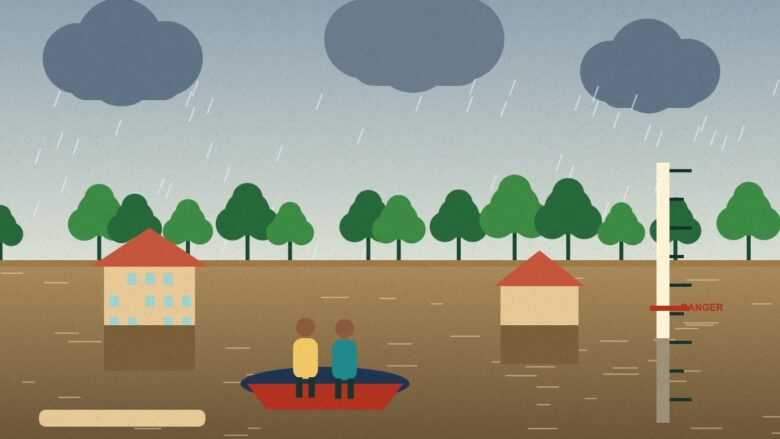
Muzaffarpur sits on a flat plain crossed by the Gandak, Burhi Gandak, Bagmati and Lakhandei rivers, so floods return in many monsoons. Heavy rain in Nepal and in the catchment can lift river levels fast. This guide explains why the district floods, lists key danger marks such as 55.00 metres for the Bagmati at Kataujha, shows how to read official alerts, and gives step-by-step safety advice for before, during and after a flood. It also covers health, livestock, farming, myths about floods and the roles of the district administration, so families can prepare calmly. It also explains flood myths.
This guide explains Muzaffarpur flood guide in simple words. Also, every monsoon, people in Muzaffarpur watch the rivers. News reports carry words like “danger mark” and “flood alert”. In addition, many readers are unsure what they mean. Also, some are unsure what to do.
This guide explains the flood picture in simple words. Moreover, First, we look at the rivers and why they rise. Next, we explain danger marks. Furthermore, Then we cover safety steps for each stage of a flood. Finally, we share links to official sources. Water levels change by the hour, so we print only stable facts here, and we point you to live official pages for current numbers.
4
main rivers that drain the district
55.00 m
danger mark of the Bagmati at Kataujha
52.53 m
danger mark of the Burhi Gandak at Sikandarpur
54.41 m
danger mark of the Gandak at Rewaghat
Muzaffarpur flood guide: Why Muzaffarpur Floods
Three facts explain the risk.
- Flat land: The district lies on a flat plain, so water spreads wide and drains slowly.
- Many rivers: The Gandak, Burhi Gandak, Bagmati and Lakhandei all drain the district.
- Rain upstream: Heavy rain in Nepal and the hills feeds rivers that flow into Bihar.
So a storm far away can cause high water in Muzaffarpur a day or two later. That is why officials watch river levels in Nepal and north Bihar together.
Muzaffarpur flood guide: The Main Rivers
| River | What to know |
|---|---|
| Gandak | A large river that comes from Nepal and drains the district |
| Burhi Gandak | The river that flows past Muzaffarpur city |
| Bagmati | A river from Nepal that often crosses its danger mark in the monsoon |
| Lakhandei | A river that also drains the district and adds to local flood risk |
Read our city guide for the location of the Burhi Gandak, and our Muzaffarpur weather guide for the monsoon pattern.
Muzaffarpur flood guide: What Is a Danger Mark?
Each river has gauge stations. In addition, Officials measure the water level at each station. Additionally, For each one, they fix a “warning level” and a “danger level” (or danger mark). When the river crosses the danger mark, flooding becomes likely in nearby low areas.
Here are three danger marks that news reports quote.
| River and station | Danger mark |
|---|---|
| Bagmati at Kataujha | 55.00 metres |
| Burhi Gandak at Sikandarpur | 52.53 metres |
| Gandak at Rewaghat | 54.41 metres |
A river above its danger mark means low areas nearby face a real risk of flooding.
How to read a flood alert
How to Read a Flood Report
A news report may say the Bagmati flows “1.5 metres above the danger mark”. That means the water level is 1.5 metres higher than the danger mark at that station. Besides, the higher the gap, the bigger the risk. A report may also say a river is “rising” or “falling”. Watch that trend, since a falling river can still cause damage in low areas.
Muzaffarpur flood guide: Recent Flood Alerts
Flood alerts return almost every monsoon. Moreover, In July 2024, news reports said houses were inundated in Muzaffarpur as the Bagmati swelled. In fact, In August 2026, reports said the Bagmati flowed above its danger mark and the district went on flood alert. In late September 2026, local reports said the river stayed in spate and water entered new areas.
The pattern is clear. The Bagmati is the river to watch in Muzaffarpur, and the monsoon can last into September.
Muzaffarpur flood guide: Waterlogging in the City
Not every flood comes from a river. Heavy rain can flood city streets when drains block. Of course, we have explained the causes in our report on why Muzaffarpur faces waterlogging every year. We also reported on drainage work in the city and on a sewage pump station.
You can help too. Furthermore, Do not throw plastic or waste in drains. Clean the drain outside your home before the monsoon.
Muzaffarpur flood guide: Where to Find Live Information
Use official sources for live data.
- The state Water Resources Department runs a real-time alert page for river levels.
- The Central Water Commission publishes flood forecasts.
- The Muzaffarpur district website carries notices and contact details.
- Local news reports give updates on relief camps and roads.
See the references for links. Avoid unverified messages on social media, since rumours spread fast in a flood.
Muzaffarpur flood guide: Before the Flood: Get Ready
Prepare early in the monsoon.
- First, learn your area’s flood risk and the nearest safe, high place.
- Next, make an emergency kit and keep it in a waterproof bag.
- Then, save important papers in a plastic pouch, and keep copies on your phone.
- Also, agree on a family meeting spot and share contact numbers.
- Finally, keep your phone charged, and carry a power bank.
What to Put in the Emergency Kit
| Item | Why |
|---|---|
| Drinking water and dry food | Supplies may cut off |
| First aid box and medicines | Clinics may be far |
| Torch and spare batteries | Power often fails |
| Whistle | To call for help |
| Copies of ID and land papers | You may need them later |
| Cash in small notes | Cards and machines may not work |
| Blanket and dry clothes | To stay warm and dry |
| Phone charger and power bank | To stay in touch |
Muzaffarpur flood guide: During a Flood: Stay Safe
When water rises, act fast and stay calm.
- Move to higher ground early, before the water blocks your path.
- Do not walk or drive through moving water. Even shallow, fast water can sweep you away.
- Stay away from electric poles and fallen wires.
- Switch off the mains power if water enters your home, if you can do so safely.
- Follow instructions from the district administration and rescue teams.
- Help children, older people and people with disabilities first.
- Dial 112 for urgent help.
Do Not
- Do not cross a flooded bridge or a swollen stream.
- Do not go back for belongings once you leave.
- Do not drink or cook with floodwater.
- Do not spread rumours. Share only official news.
Muzaffarpur flood guide: After a Flood: Health and Recovery
Floodwater carries germs. So take care.
- First, wait for officials to say it is safe to go home.
- Next, boil drinking water, or use safe bottled water.
- Then, clean and dry your home well, and wash everything that touched floodwater.
- Also, watch for signs of illness, such as diarrhoea, fever or skin infections, and see a doctor early.
- Finally, remove standing water to stop mosquitoes.
Snakes may enter homes in floods. In particular, Move carefully, and call for help. For snakebite treatment, read our report on the Prabhat Tara Snake Hospital in Muzaffarpur and our hospitals guide.
Muzaffarpur flood guide: Farmers and Livestock
Floods hit farms hard. Also, farmers can take these steps.
- Store seed, grain and fodder in high, dry places.
- Move animals to higher ground early.
- Keep animal vaccination records safe.
- Watch the official notices on crop relief, and keep land and bank papers ready.
Read our report on the Bihar Rajya Fasal Sahayata Yojana for one form of crop support.
Muzaffarpur flood guide: Role of the District Administration
The District Magistrate heads the district’s disaster response. Additionally, that includes flood alerts, relief camps and rescue plans. In addition, read our DM office and district administration guide to learn how to reach the office and use official channels. Also, keep the district’s control room number handy. You can find it on the district website.
Muzaffarpur flood guide: Travelling in Flood Season
Roads can flood and trains can slow. Check the news before you travel. Moreover, read our guides for Patna to Muzaffarpur and the distance chart. Besides, avoid low roads and old bridges in heavy rain. Also, keep extra time.
Muzaffarpur flood guide: Flood Myths and Facts
| Myth | Fact |
|---|---|
| Shallow water is safe to wade through | Fast shallow water can knock an adult down |
| Floodwater is clean after the rain stops | It carries sewage and germs |
| A river below the danger mark poses no risk | Low areas can still flood from rain and blocked drains |
| The flood ends when the water goes down | Disease and damage can follow for weeks |
Helping Others
In a flood, community help matters. Furthermore, share safe, high shelter with neighbours. Offer food and water to those in need. Additionally, Give to trusted relief groups, and avoid unknown collectors. Also, check on older neighbours who live alone. Facts about Muzaffarpur flood guide can change, so confirm them on official pages.
Key Takeaways
- Muzaffarpur floods because it is flat and four rivers drain it.
- Heavy rain in Nepal can raise local rivers within a day or two.
- Key danger marks are 55.00 m for the Bagmati at Kataujha, 52.53 m for the Burhi Gandak at Sikandarpur and 54.41 m for the Gandak at Rewaghat.
- Move to high ground early, and never cross moving water.
- Boil water and watch for illness after a flood.
- Use official sources for live levels, and dial 112 in an emergency.
Did You Know?
Why does a flood in Nepal reach Muzaffarpur?
Rivers such as the Gandak and Bagmati start in the hills and in Nepal and flow south into Bihar. Rain in the hills adds water to the rivers. That water travels downstream and can raise levels in Muzaffarpur a day or two later.
Conclusion
Floods are part of life in Muzaffarpur, but harm is not fixed. In fact, Know the rivers and the danger marks. Besides, Watch official alerts. Keep a small kit ready before the monsoon. When water rises, move early, avoid moving water and follow official advice. After a flood, protect your health and help your neighbours. In fact, With simple habits and calm action, families can stay safe through each monsoon. Bookmark this guide, and share it with neighbours before the next rains.


FAQs
Which rivers cause floods in Muzaffarpur?
The Gandak, Burhi Gandak, Bagmati and Lakhandei drain the district. Of course, the Bagmati often crosses its danger mark in the monsoon. Heavy rain in Nepal and the hills feeds these rivers, so water can rise in Muzaffarpur a day or two after a storm upstream.
What is a danger mark?
A danger mark is the water level at a river gauge station above which flooding becomes likely in nearby low areas. In general, Recent news reports quote 55.00 metres for the Bagmati at Kataujha, 52.53 metres for the Burhi Gandak at Sikandarpur and 54.41 metres for the Gandak at Rewaghat.
Where can I see live river levels?
Use official sources. The state Water Resources Department runs a real-time alert page, and the Central Water Commission publishes flood forecasts. Of course, the district website carries notices and contact details. Avoid unverified social media messages, since rumours spread fast during floods.
What should I do if my area floods?
Move to higher ground early, before the water blocks your path. In particular, Never walk or drive through moving water, and keep away from electric poles. In particular, follow instructions from the district administration, help children and older people first, and dial 112 for urgent help.
How do I stay healthy after a flood?
Wait until officials say it is safe to return. Boil drinking water or use safe bottled water, clean and dry your home, and wash anything that touched floodwater. Also, Watch for diarrhoea, fever and skin infections and see a doctor early. Also, Remove standing water to stop mosquitoes.
